In 2025, we have more tools than ever before. Artificial intelligence can write our emails, plan our meals, take meeting notes, and even create blog drafts. On paper, life should be easier and more productive than ever. But if you’re like me, you might still feel busier, more distracted, and less in control of your time. Isn’t it strange? The truth is, productivity today isn’t about having more tools – it’s about protecting our attention. That’s the real resource we’re losing.🔝

I’ve realized something over the past year: AI is an amazing assistant, but it can never replace my own thinking, creativity, or judgment. If I let it take over everything, I lose the spark that makes my work truly mine. So, instead of fearing or avoiding AI, I’ve started treating it like a helper that clears away the clutter, so I can focus on what really matters.
Let’s be honest, AI is everywhere now. It helps us brainstorm ideas💡summarize books and articles, organize schedules, and keep track of endless to‑dos. It’s fast, convenient, and incredibly powerful. But here’s the catch—if we rely on it blindly, it makes us lazy thinkers. We stop challenging ourselves, we stop practicing the craft of focus, and we fall into the trap of letting technology decide how we work. That’s not what productivity should feel like. The real win is using AI to take care of the boring stuff, so we can pour our energy into the things that require our voice, our judgment, and our creativity.
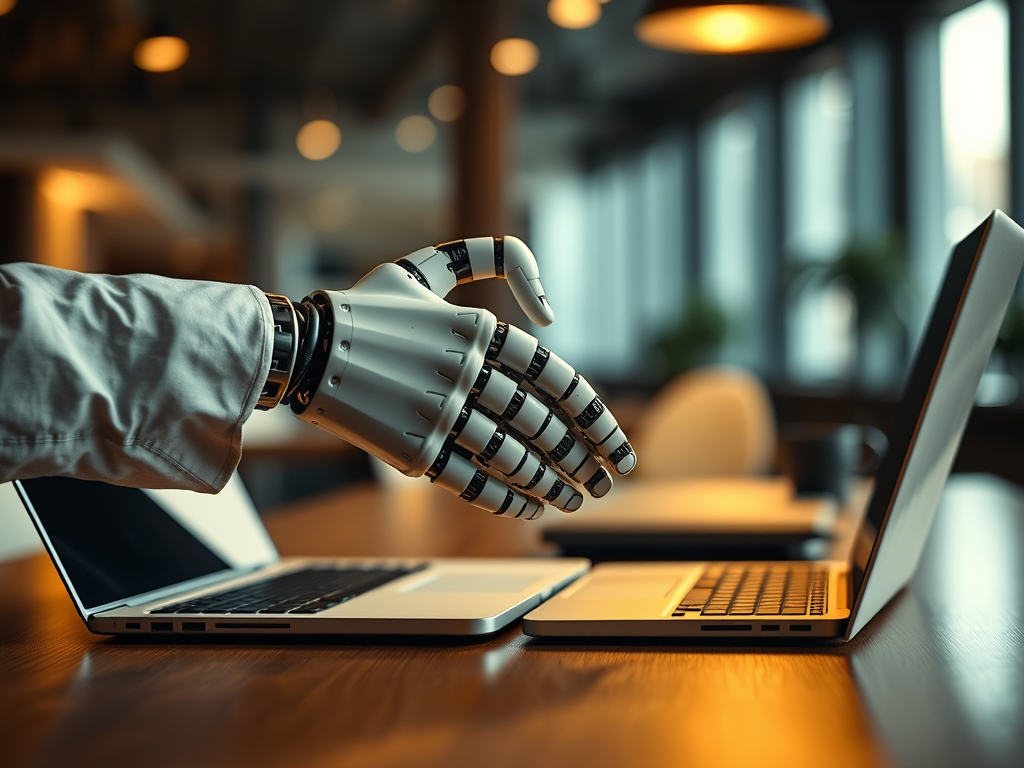
And here’s the bigger issue: we live in what’s called the “attention economy.” Every app, every platform, every notification is designed to steal a little piece of our focus. One quick scroll turns into 30 minutes. One alert pulls us into three new tabs. Before we know it, the day is gone and the important stuff is still sitting there, undone. I’ve learned the hard way that focus isn’t a personality trait—it’s an environment we design. When I cut back notifications, simplify my digital space, and start the day with just three clear priorities, I get so much more done without feeling overwhelmed. Focus is a choice, but only if we protect it.⛳
What’s worked best for me is building small habits that pull me back to attention. For example, I try to keep certain hours phone‑free and leave social media for later in the day. I block time for deep work—just 60 to 90 minutes with no distractions—and I treat those sessions like appointments with myself. I also take mindful breaks, even if it’s just a five‑minute walk or sitting quietly with a notebook. It sounds simple, but it resets my mind and helps me get back on track. And when I use AI, I make sure it’s helping me, not leading me. It drafts ideas, but I always add my stories, my experience, and my voice.
I don’t always get it right—sometimes I still slip into old habits. But having a weekly review helps. I take half an hour on Sundays to look back at what actually moved me forward and what just drained my energy. That way, I can adjust for the next week. Slowly, these little adjustments add up. I start feeling calmer, more in control, and actually proud of the work I’m putting out.
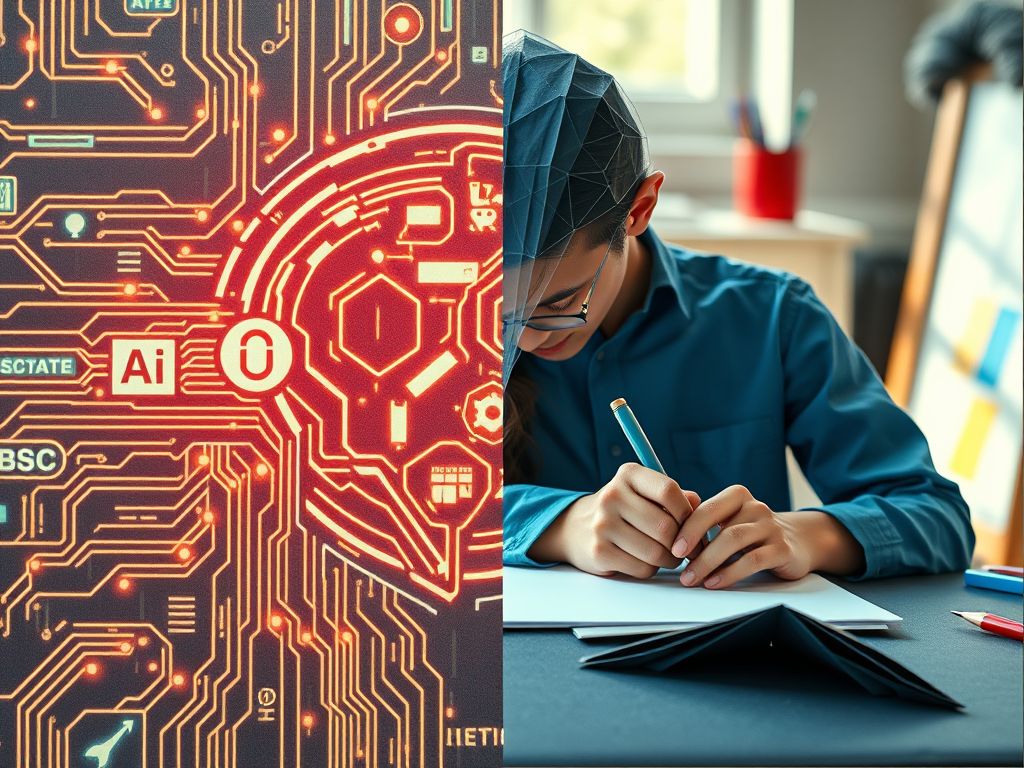
So if you take one thing away from this post, let it be this: productivity in 2025 isn’t about doing more. It’s about protecting your focus, using technology wisely, and staying true to the things only you can bring to the table. Start small. Turn off a few notifications. Block out one hour of deep work tomorrow. Try letting AI handle something small, like drafting an outline, while you add your personal touch. Bit by bit, you’ll find yourself less distracted and more present.🧿
Before I close, let me share a few books that have shaped the way I think about focus and productivity. Deep Work by Cal Newport https://amzn.to/3I10J2Z is a classic on how to train your brain to focus. Digital Minimalism, also by Cal Newport https://amzn.to/4g4xAk6, helped me rethink my relationship with technology. Atomic Habits by James Clear is amazing if you want to build habits that stick. Indistractable by Nir Eyal dives into how to control your attention, while Stolen Focus by Johann Hari explores why the modern world is so distracting. Finally, Make Time by Jake Knapp and John Zeratsky offers simple tactics for choosing what matters each day. I highly recommend adding at least one of these to your reading list.
At the end of the day, this isn’t about doing everything perfectly. It’s about progress. Protect your mornings, set clear boundaries with your tech, and use AI as your assistant, not your master. The future belongs to those who can stay focused in a world full of distractions—and I know you can be one of them.😊
Now, let me ask you: what’s one small boundary you’ll set with your tech this week?

 Read with Keshav
What are your thoughts?